rTMS Treatment for Depression
Repetitive Transcranial Magnetic Stimulation (rTMS) is offered as an evidence-based alternative for treatment-resistant depression and other psychiatric conditions that have not responded to typical treatment methods.
About Repetitive Transcranial Magnetic Stimulation (rTMS)
What is rTMS?
Repetitive Transcranial Magnetic Stimulation (rTMS) is a non-invasive treatment that uses magnetic fields to stimulate specific areas of the brain.
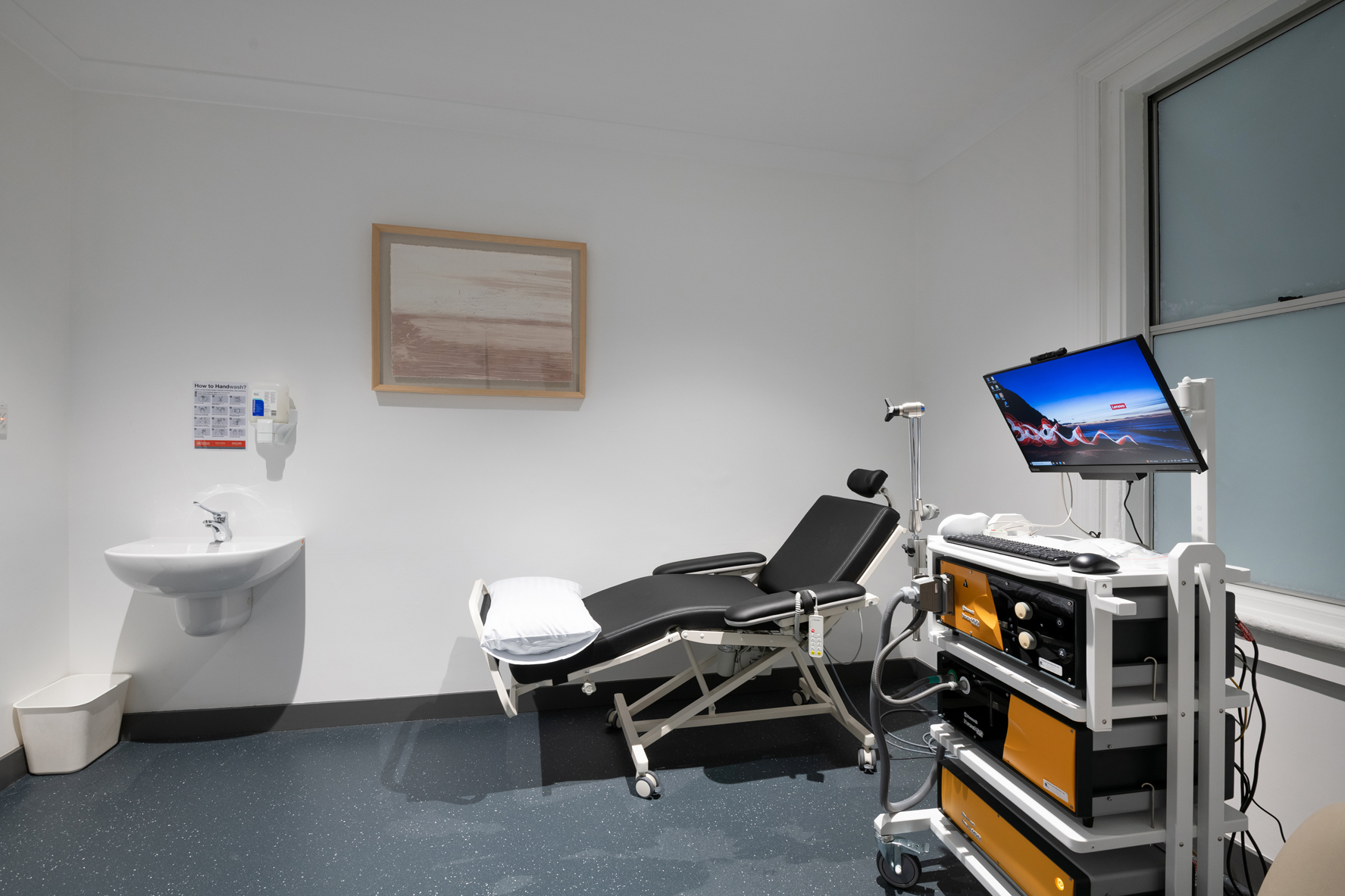
A small coil is placed against the scalp, delivering targeted magnetic pulses that activate nerve cells in regions involved in mood regulation. These pulses can be adjusted to either increase or decrease brain activity, depending on the treatment approach.
rTMS and Depression
rTMS has been used in the treatment of depression since the 1990s and has been shown to be more effective than placebo treatments - particularly for individuals who have not responded to antidepressant medication.
While the exact mechanism is still being studied, rTMS is thought to improve symptoms by altering activity in the frontal areas of the brain involved in mood and emotional regulation.
What to Expect During Treatment
rTMS is typically delivered:
- 5 days per week (Monday to Friday)
- Over several weeks
- Each session lasting 20–45 minutes
Clients will be awake and alert throughout the procedure.
Before treatment begins, a brief assessment is performed to determine the appropriate stimulation level for the individual. This involves stimulating an area of the brain linked to hand movement, which may cause mild, temporary twitching.
During treatment:
- A coil is placed gently on your scalp
- You may hear a clicking sound (earplugs are provided)
- You may feel a tapping sensation on your head
These sensations are normal and usually become more comfortable over time.
When Will I Notice Results?
If rTMS is effective, improvements are typically noticed after 2–4 weeks of treatment. Some people may begin to feel changes earlier, while others may take longer.
rTMS is usually part of a broader treatment plan, which may include medication and ongoing therapy to help maintain results.
Side Effects
rTMS is generally well tolerated. Possible side effects include:
- Mild headache or neck discomfort
- Scalp sensitivity or tapping sensation during treatment
These effects are usually temporary and can often be managed with simple pain relief.
Risks and Safety
rTMS is considered safe when delivered according to established guidelines. A rare but serious risk is the possibility of a seizure, though this is uncommon.
Clients should inform their treating team if they:
- Have epilepsy or a history of seizures
- Have metal implants in or near their head
- Have a pacemaker or other implanted medical devices
- Experience any changes in health or medications
Earplugs are provided during treatment to minimise exposure to the machine’s sound.
Important Considerations
- Avoid alcohol and illicit substances during treatment
- Inform your team of all medications and supplements
- Try to avoid major medication changes during the treatment course unless advised by your doctor